
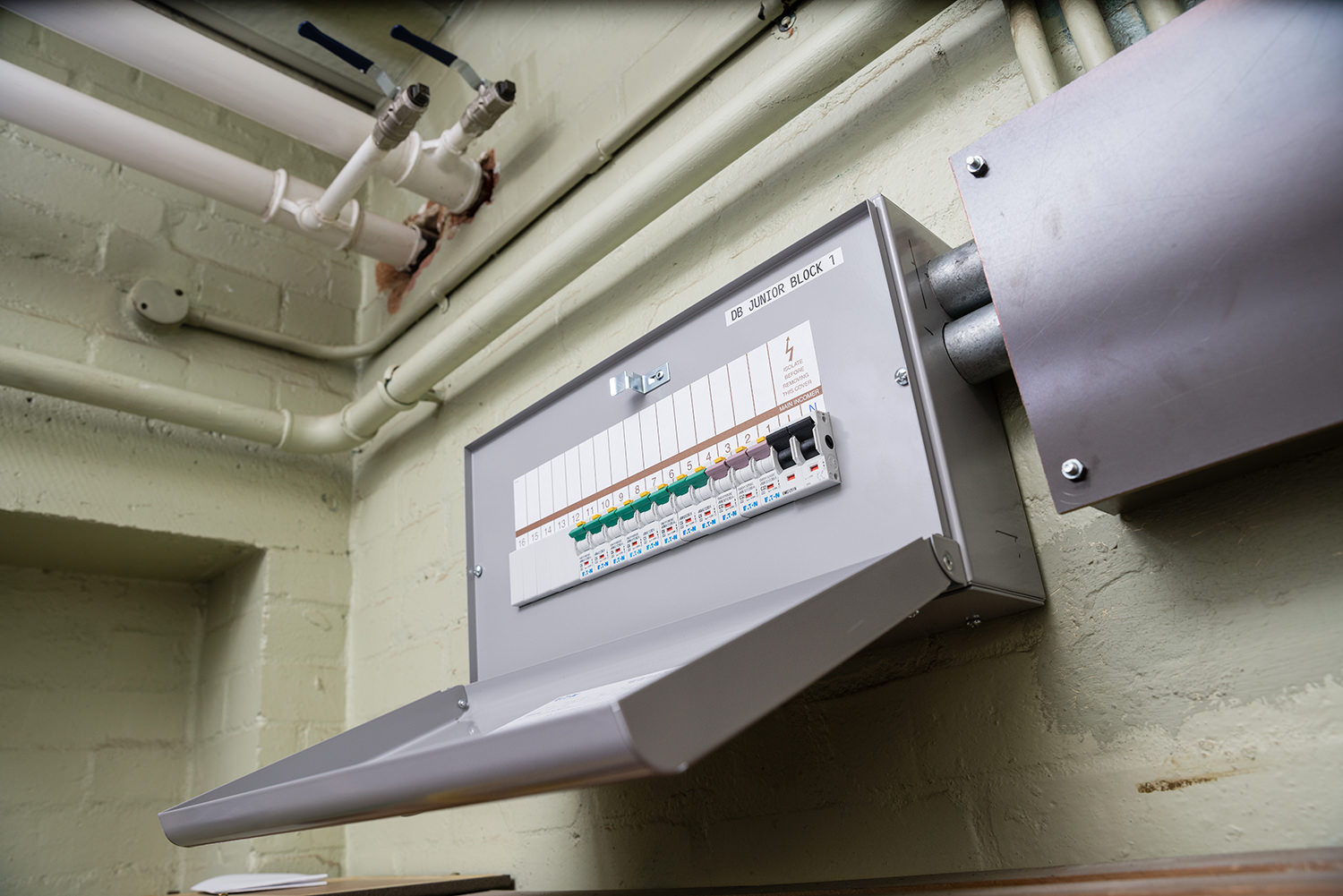
The Importance of Upgrading to a Modern Metal-Clad Consumer Unit with RCBO and Surge Protection
When it comes to electrical safety in homes and small commercial properties, few components are as important as the consumer unit. Often referred to as the fuse box, the consumer unit is the central hub that distributes electricity throughout a building and protects circuits from overloads and faults. Yet in many properties, outdated consumer units are still in service—sometimes decades after installation.
If your property still relies on an older plastic consumer unit with rewirable fuses or basicMCB protection, you may be exposing yourself to unnecessary risks. Modern metal-clad consumer units equipped with RCBOs (Residual Current Breaker with Overcurrent protection) and surge protection devices (SPDs) offer a dramatically higher level of safety, reliability, and compliance with current regulations.
Understanding the Role of a Consumer Unit
A consumer unit distributes electricity to individual circuits, protects wiring from overload and short circuits, protects people from electric shock, and provides a central point of isolation. In older systems, protection was often limited to basic fuses or simple miniature circuit breakers (MCBs). While these devices protect against overcurrent, they do not always provide adequate protection against electric shock or modern electrical risks.
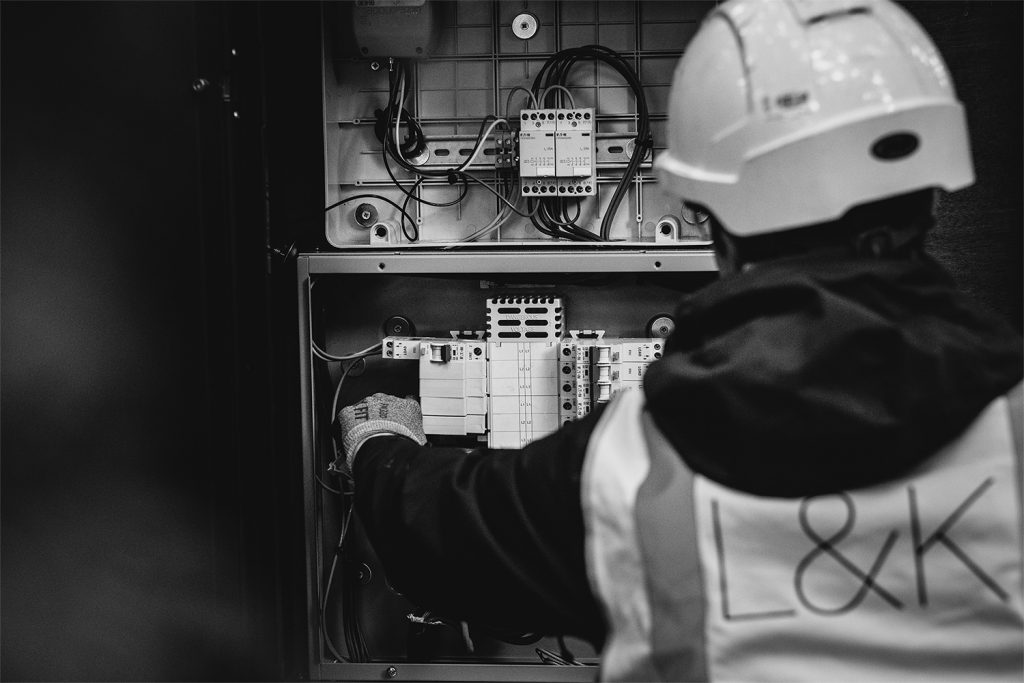
The Problems with Old Consumer Units – Plastic Enclosures and Fire Risk
Many older consumer units are housed in plastic enclosures. Plastic does not contain fire effectively. If a fault develops within the unit—such as a loose connection or overheating terminal—the plastic casing can ignite or allow flames to spread. Modern regulations now require consumer units in domestic premises to be constructed from non-combustible material, typically metal. A metal-clad unit helps contain any internal fire, significantly reducing the risk of fire spreading to the rest of the property.
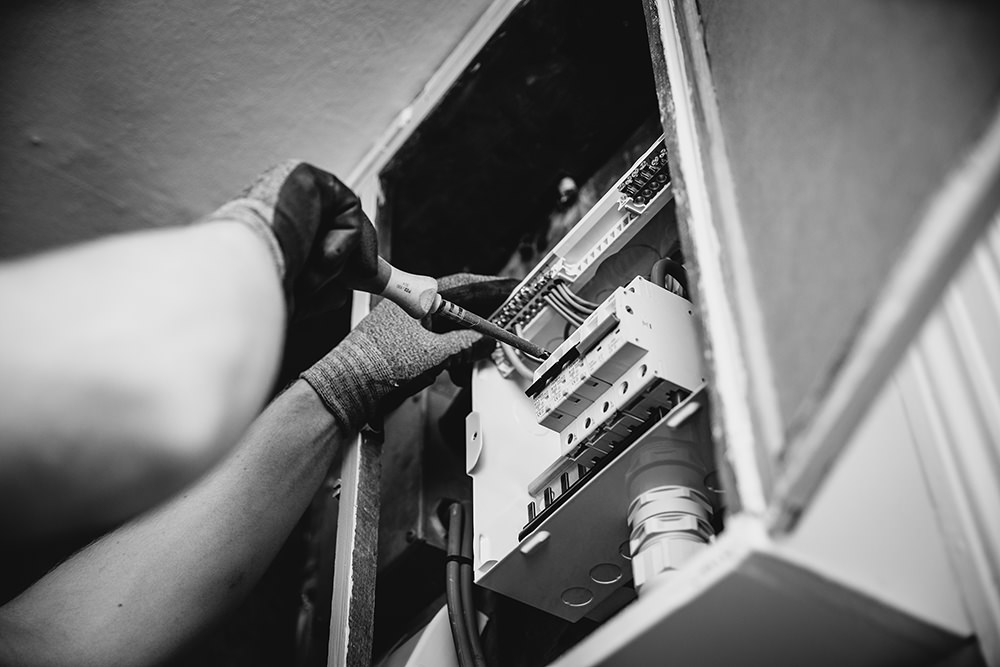
Rewirable Fuses
Older installations may still use rewirable fuses. These rely on a thin wire that melts when excessive current flows. They have slower disconnection times compared to modern devices, inconsistent performance depending on fuse wire used, and reduced protection against modern electrical loads. Rewirable fuses were never designed with today’s high- demand appliances in mind.
Lack of RCD Protection
One of the most significant issues with older units is the absence of RCD (Residual Current Device) protection. An RCD detects imbalances in electrical current—typically caused by electricity leaking to earth, which can happen if someone touches a live conductor. Without RCD protection, electric shock risk is significantly higher.
Why Metal-Clad Consumer Units Are Now the Standard
Modern wiring regulations require consumer units in domestic properties to have non- combustible enclosures. Metal consumer units provide improved fire containment, greater durability, higher resistance to heat, and enhanced safety compliance.
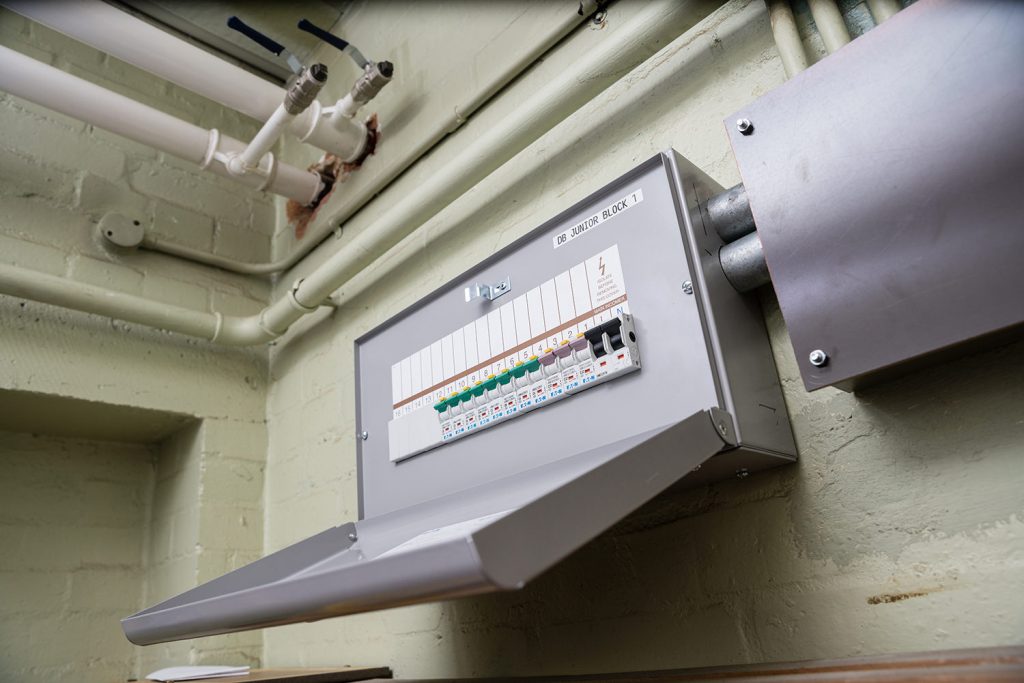
What Is an RCBO and Why Does It Matter?
An RCBO combines the functions of an MCB and an RCD into a single device. It protects
against overloads, short circuits, and earth leakage (electric shock risk).
Key Advantages of RCBOs – Individual Circuit Protection
With RCBOs, each circuit has its own dedicated protection. Only the faulty circuit trips, while the rest of the property remains powered. This improves convenience and fault- finding.
Improved Fault Diagnosis
RCBOs isolate issues immediately, reducing downtime and making maintenance more efficient.
Reduced Nuisance Tripping
Modern homes contain many appliances that naturally produce small amounts of earth leakage current. RCBOs prevent cumulative leakage issues because each circuit is independently monitored.
The Growing Importance of Surge Protection
Surge protection devices (SPDs) protect against sudden increases in voltage caused by lightning strikes, grid switching events, and faults in the distribution network. Even small surges can damage modern electronics such as smart TVs, gaming systems, Wi-Fi routers, laptops, heat pumps, solar inverters, and EV chargers. Installing an SPD inside your consumer unit provides a first line of defence by diverting excess voltage safely to earth before it reaches your circuits.
Regulatory Compliance and Future-Proofing
Upgrading ensures compliance with current wiring regulations, easier property sales, better EICR outcomes, insurance alignment, and safer rental compliance for landlords. If you are planning renovations, adding an EV charger, installing solar panels, or upgrading heating systems, a modern consumer unit is often essential.
Insurance and Liability Considerations
In the event of an electrical fire or serious shock incident, insurers will examine the installation. Modernising your consumer unit demonstrates proactive risk management.
Practical Benefits Beyond Safety
Modern boards provide clear labelling, spare capacity for future circuits, improved aesthetics, more reliable operation, and easier testing and maintenance.
Cost vs Risk
A consumer unit upgrade is a modest investment compared to the potential cost of fire damage, surge-damaged electronics, or personal injury claims. Over a lifespan of 20+ years,
the annual cost of improved safety is minimal.
Final Thoughts
An outdated consumer unit may have served faithfully for decades, but modern electrical demands and safety standards have changed dramatically. Metal-clad enclosures contain fire risk. RCBOs provide precise circuit-level protection. Surge protection shields sensitive electronics from costly damage.
Upgrading is about reducing risk, improving reliability, and protecting both people and property. Consulting a qualified electrician about upgrading to a modern metal consumer unit with RCBO and surge protection could be one of the most important safety improvements you make.